
SPOILER ALERT!
Great Pipes Guidance You Need To Understand
Content by-Connolly Sumner
To the homeowner who is unsure how to fix plumbing issues, it can be quite the challenge. Sometimes, you may have to wait if you are calling a plumber, and it can be expensive as well. Read this article to learn the best ways to fix plumbing problems.
If your pipes are making a racket, there is a simple way to quiet them down. What you will have to do is anchor any pipes that are exposed. Call a plumber to help with pipes that require you to cut a hole in a wall, ceiling or floor.
If you have bad water pressure in the shower, the showerhead might be clogged. Take a plastic baggie, fill it with regular vinegar, and tie it to the showerhead so that the showerhead is covered. Leave it overnight. In the morning, take the baggie off and use a small toothbrush to scrub away any mineral deposits.
Water from wells can cause orange or rust colored stains in places like bathtubs and sinks. This comes from large amounts of iron present in the water. You can use water softener that you buy at the store to remedy this situation, or you can have a professional do it for you.
In order to keep your plumbing bills as low as possible, keep in mind prevention is key. Drain clogs can be expensive and are actually a major repair, one of the most common ones, too. Drains can be clogged by hair. Use a drain cover to keep hair and other elements from going down your pipes. It's a lot simpler to eliminate hair that is on a screen than eliminating it off a pipe.
Before the cold season hits, check out the condition of your gutters on the roof of your house. Remove all debris, leaves and branches so that you can have a smooth flow of water and easy drainage. Caretaking in advance will help to prevent serious issues with plumbing down the road.
A sink with poor water pressure can often be corrected by cleaning the built-up sediment out of the aerator. You need to remove, disassemble, and clean the aerator with vinegar and a small brush. Thoroughly rinse off the aerator, put it back together and place it back on the faucet. Removing obstructions from the aerator should allow for increased water pressure.
Prevention is vital for avoiding costly repairs to your plumbing. Drain clogs are probably the most frequent issue you will run into with your plumbing. Built up hair can actually clog drains. Avoid this by using a drain cover or screen that keeps hair and other particles from clogging your pipes. You can remove hair much easier from a screen as opposed to getting it out of the inside of a pipe.
Never pour grease down the kitchen-sink drain. This will help you avoid clogs in your kitchen sink. Place grease in a can or other receptacles and dispose of in the trash. Grease that has congealed on pots, and pans can be wiped off with paper towels that can be thrown in the trash.
You can research a plumber online, even if you did not choose them. If your insurance provider has set up the appointment, check the company website to see customer reviews and feedback. This allows you to have some information before they arrive.
Look online for reviews of the plumbing contractor you are thinking of hiring. If people are not satisfied with the work that the plumber preforms, many times they will go on the internet and post negative reviews. If they are happy with the plumber they will also post positive reviews.
In any DIY plumbing project, make sure that you always test the drains and the supply lines before you close up the walls. It is a lot easier to find and solve problems if you look for them while you are still in the process of actively doing the job.
To prevent pipe banging when you turn on the water, think about rubber blankets or straps. Instead of assuming the pipes need replaced, consider anchoring them or buffering them. If your pipes are plastic, leave them some room for expansion and contraction. If pipes do not leak but just make noise, eliminate the noise.
If you own property where the temperature gets below freezing for an extended amount of time each year, you should make sure that pipes located in unheated areas, such as crawl spaces and garages, are insulated. Pipes that are exposed to the outside elements or those that are prone to freezing, should be protected by heat tape or thermostat-controlled heat cables to prevent them from freezing.
Check the plumbing in your home. If your home has the flexible gray polybutylene water pipes, you need to have a plumber come out and assess their condition. These types of pipe are prone to failure and can lead to very costly repairs if they have a failure within your home.
When facing temperatures below freezing in the winter it is important to leave the hot water dripping. Suggested Online site makes sure that the pipes don't freeze over and saves you the expensive repair of fixing and or entirely replacing a broken pipe. The slight cost of dripping hot water is well worth saving you from that large expense of replacing a broken pipe.
If your lawn has areas where the grass grows very quickly compared to the rest, seems constantly wet or has a noxious odor you may have a sewer line leak. A leak or crack in sewage pipes can be repaired if caught early and save thousands of dollars in failed septic inspection expenses.
If you have infrequently used drains in your house, you should pour water into them on a regular basis. This water will fill the trap and will prevent odors from entering the house. If you have slow floor drains, you should snake them to ensure they are capable of carrying water away quickly in the event of a flood.
A bad faucet might need new parts. If you need to change the cap, cut it on the side with a rotary tool. Cut the exterior part and the plastic seal, but make sure you stay clear of the brass inside of it. You can easily replace the exterior of the cap and the seal.
As Commercial Water Heater Cross Reference can see, plumbing is not rocket science. All you need to do is to find reliable sources that will give you great tips on addressing plumbing problems. The time you invest in educating yourself on plumbing issues will be time well-spent, because it will save you a lot of money in the long run.
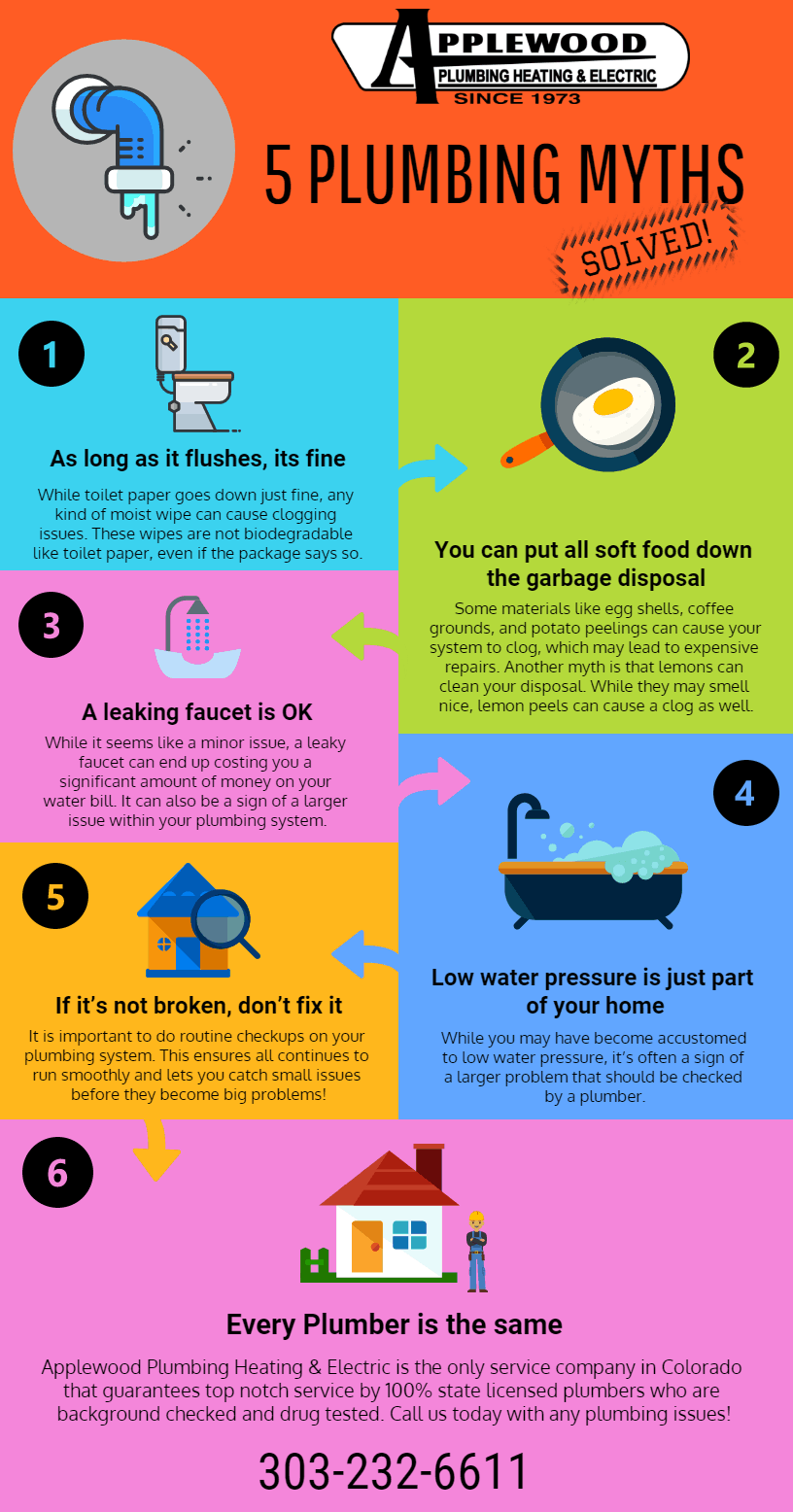
To the homeowner who is unsure how to fix plumbing issues, it can be quite the challenge. Sometimes, you may have to wait if you are calling a plumber, and it can be expensive as well. Read this article to learn the best ways to fix plumbing problems.
If your pipes are making a racket, there is a simple way to quiet them down. What you will have to do is anchor any pipes that are exposed. Call a plumber to help with pipes that require you to cut a hole in a wall, ceiling or floor.
If you have bad water pressure in the shower, the showerhead might be clogged. Take a plastic baggie, fill it with regular vinegar, and tie it to the showerhead so that the showerhead is covered. Leave it overnight. In the morning, take the baggie off and use a small toothbrush to scrub away any mineral deposits.
Water from wells can cause orange or rust colored stains in places like bathtubs and sinks. This comes from large amounts of iron present in the water. You can use water softener that you buy at the store to remedy this situation, or you can have a professional do it for you.
In order to keep your plumbing bills as low as possible, keep in mind prevention is key. Drain clogs can be expensive and are actually a major repair, one of the most common ones, too. Drains can be clogged by hair. Use a drain cover to keep hair and other elements from going down your pipes. It's a lot simpler to eliminate hair that is on a screen than eliminating it off a pipe.
Before the cold season hits, check out the condition of your gutters on the roof of your house. Remove all debris, leaves and branches so that you can have a smooth flow of water and easy drainage. Caretaking in advance will help to prevent serious issues with plumbing down the road.
A sink with poor water pressure can often be corrected by cleaning the built-up sediment out of the aerator. You need to remove, disassemble, and clean the aerator with vinegar and a small brush. Thoroughly rinse off the aerator, put it back together and place it back on the faucet. Removing obstructions from the aerator should allow for increased water pressure.
Prevention is vital for avoiding costly repairs to your plumbing. Drain clogs are probably the most frequent issue you will run into with your plumbing. Built up hair can actually clog drains. Avoid this by using a drain cover or screen that keeps hair and other particles from clogging your pipes. You can remove hair much easier from a screen as opposed to getting it out of the inside of a pipe.
Never pour grease down the kitchen-sink drain. This will help you avoid clogs in your kitchen sink. Place grease in a can or other receptacles and dispose of in the trash. Grease that has congealed on pots, and pans can be wiped off with paper towels that can be thrown in the trash.
You can research a plumber online, even if you did not choose them. If your insurance provider has set up the appointment, check the company website to see customer reviews and feedback. This allows you to have some information before they arrive.
Look online for reviews of the plumbing contractor you are thinking of hiring. If people are not satisfied with the work that the plumber preforms, many times they will go on the internet and post negative reviews. If they are happy with the plumber they will also post positive reviews.
In any DIY plumbing project, make sure that you always test the drains and the supply lines before you close up the walls. It is a lot easier to find and solve problems if you look for them while you are still in the process of actively doing the job.
To prevent pipe banging when you turn on the water, think about rubber blankets or straps. Instead of assuming the pipes need replaced, consider anchoring them or buffering them. If your pipes are plastic, leave them some room for expansion and contraction. If pipes do not leak but just make noise, eliminate the noise.
If you own property where the temperature gets below freezing for an extended amount of time each year, you should make sure that pipes located in unheated areas, such as crawl spaces and garages, are insulated. Pipes that are exposed to the outside elements or those that are prone to freezing, should be protected by heat tape or thermostat-controlled heat cables to prevent them from freezing.
Check the plumbing in your home. If your home has the flexible gray polybutylene water pipes, you need to have a plumber come out and assess their condition. These types of pipe are prone to failure and can lead to very costly repairs if they have a failure within your home.
When facing temperatures below freezing in the winter it is important to leave the hot water dripping. Suggested Online site makes sure that the pipes don't freeze over and saves you the expensive repair of fixing and or entirely replacing a broken pipe. The slight cost of dripping hot water is well worth saving you from that large expense of replacing a broken pipe.
If your lawn has areas where the grass grows very quickly compared to the rest, seems constantly wet or has a noxious odor you may have a sewer line leak. A leak or crack in sewage pipes can be repaired if caught early and save thousands of dollars in failed septic inspection expenses.
If you have infrequently used drains in your house, you should pour water into them on a regular basis. This water will fill the trap and will prevent odors from entering the house. If you have slow floor drains, you should snake them to ensure they are capable of carrying water away quickly in the event of a flood.
A bad faucet might need new parts. If you need to change the cap, cut it on the side with a rotary tool. Cut the exterior part and the plastic seal, but make sure you stay clear of the brass inside of it. You can easily replace the exterior of the cap and the seal.
As Commercial Water Heater Cross Reference can see, plumbing is not rocket science. All you need to do is to find reliable sources that will give you great tips on addressing plumbing problems. The time you invest in educating yourself on plumbing issues will be time well-spent, because it will save you a lot of money in the long run.
